Case Studies
Published 12 August 2025 · Updated 15 November 2026
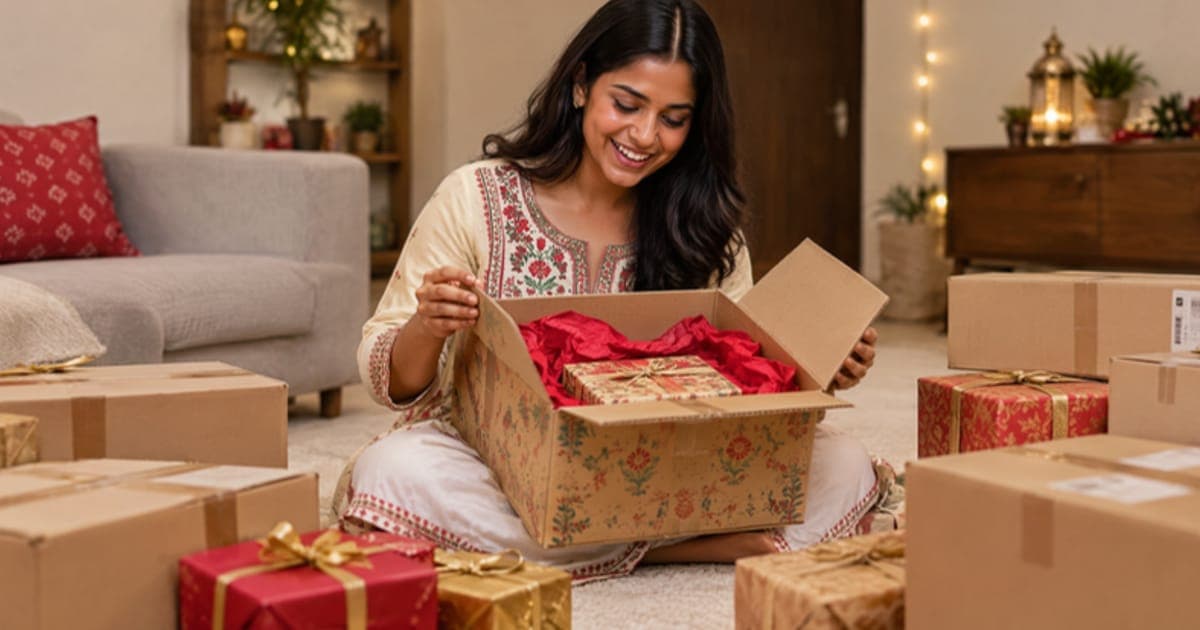
Every year, India's major e-commerce sale events , Flipkart's Big Billion Days, Amazon's Great Indian Festival, Myntra's End of Reason Sale, and similar events from smaller platforms , generate an enormous spike in shopping intent. But intent alone doesn't drive sales. With dozens of brands and platforms all competing for attention during the same two-week window, the difference between a sale event that converts and one that gets lost in the noise increasingly comes down to one thing: how well a brand uses regional creators to cut through the clutter.
A few years ago, sale event marketing was dominated by generic banner ads and macro-influencer "sale alert" posts , a celebrity or large influencer posting "Big Billion Days is here, don't miss these deals!" with a discount code. This approach has become progressively less effective for a simple reason: every brand is doing the same thing, in the same format, often featuring overlapping sets of large influencers, during the same week. The result is sale-fatigue , audiences scroll past yet another "sale is live" post without absorbing it.
Regional creators offer something generic sale promotion can't: context-specific reasons to buy right now. Instead of "discount alert," the framing becomes "here's exactly what I'm buying this sale and why" , in a local language, often tied to a regional need.
A few patterns that have worked well:
Festival-tied framing in regional markets: Sale events often coincide with regional festival seasons , Durga Puja shopping in Bengal, Onam-season purchases in Kerala, Navratri shopping in Gujarat and Maharashtra. Creators framing sale purchases around these occasions ("what I'm buying for Durga Puja this year, all on sale") feel timely and relevant rather than generic.
Category-specific local creators: Rather than one large lifestyle influencer covering everything, brands work with multiple smaller creators each covering a specific category relevant to their niche , a home-and-kitchen creator in Lucknow covering appliance deals, a fashion creator in Coimbatore covering ethnic wear deals, a tech reviewer in Pune covering electronics. This produces more authentic, useful content than a single influencer trying to cover ten categories superficially.
Language-first content for Tier 2/3 buyers: A significant share of new e-commerce users during sale events come from Tier 2 and Tier 3 cities, many of whom are more comfortable navigating and deciding in their regional language. Creators producing "how to get the best deal" content in Tamil, Telugu, Bengali, Marathi, and other languages (you can shortlist them by language) , including practical content like "how to use coupon codes" or "which payment method gives extra discount" , serve a real need for first-time or infrequent online shoppers.
The most effective regional creator campaigns around sale events don't start on day one of the sale , they start 1-2 weeks earlier, building a "wishlist" narrative. A creator might post content like "things I'm waiting to buy once the sale starts" a week before launch, creating anticipation, then follow up with "I got it!" content once the sale goes live and they make the purchase. This two-touchpoint approach mirrors how word-of-mouth recommendations naturally happen and significantly outperforms single-post sale announcements.
A brand running a national sale campaign with regional creators isn't doing one campaign , it's coordinating potentially hundreds of micro-campaigns, each with a creator covering a specific category in a specific region and language. This requires:
Sale events offer one of the cleanest measurement windows in Indian e-commerce marketing because purchase intent is concentrated and trackable. Brands should look at:
With the 2026 festive sales now behind us, the bigger shift is that "sale season" no longer ends in October. Brands that built regional creator pools for Big Billion Days and the Great Indian Festival now have at least two more windows to reuse them in. The wedding season runs through November-December and again from January to March, and Reelax's wedding influencer marketing data shows fashion creators earning a 2.80% median engagement rate against 0.62% for jewellery creators , a reminder that the category you pick matters as much as the city.
Then comes the Q1 sale calendar , Republic Day sales, Valentine's Day and Holi , which Reelax's D2C influencer marketing report maps out. The same report shows how much category choice affects sale content: fashion and lifestyle creators had a 4.73% median engagement rate, while gadget reviewers sat at 0.88%. For electronics-heavy sale campaigns, judge tech creators against their own niche, not against lifestyle creators.
The practical takeaway: treat your festive creator list as a standing asset. Keep it organised by city and category, so the next sale brief goes out in days rather than weeks.
What sale events reveal at an accelerated pace is true of Indian e-commerce more broadly: discount alone doesn't drive the next wave of online shoppers, especially in Tier 2/3 cities. Trust, language, and relevance do. Regional creators are effective during Big Billion Days and similar events not because they're cheaper (though they often are) but because they solve the actual problem , helping a first-time or cautious online shopper feel confident about what to buy, when, and how. Brands and platforms that build their regional creator networks well before the next sale event, rather than scrambling during it, consistently see the difference in conversion - see how this plays out in Reelax's customer success stories.
Search Reelax's verified database of 1M+ Indian creators across 4,000+ cities and 12 languages, and shortlist the right voices for your next campaign.
Continue exploring with the Reelax blog archive, see real results in our case studies, or plan a campaign with our free marketing tools.
Reelax is an AI-powered influencer marketing platform for Indian brands. It reads every creator's growth, engagement and audience signals so you shortlist the right people in minutes, not weeks.
Tamil food creators in Chennai, 50K-500K
Discover 1M+ verified creators across 4,000+ cities, 780+ categories, and 12 languages - with fake-follower checks, cost calculators, and deep data metrics to find the ideal match for every campaign.